
De anatomie van een vlaggenlapje verkennen, van stof tot draad

Vlaggen zijn krachtige symbolen die de unieke identiteit en het erfgoed van een land vertegenwoordigen. Wanneer deze nationale symbolen worden omgezet in vlaggenpatches, worden het draagbare iconen die gemakkelijk op rugzakken, jassen of petten kunnen worden bevestigd. Deze kleine maar krachtige patches vangen de essentie van een natie in door middel van een zorgvuldig ontwerp en vakmanschap. In dit bericht gaan we dieper in op de samenstelling van een vlaggenpatch en bekijken we de materialen en technieken die deze levendige emblemen tot leven brengen.
De stoffen basis
De basis van elke vlaggenpatch is de stof. De keuze van de stof is cruciaal, omdat deze duurzaam en toch flexibel moet zijn om verschillende omstandigheden te kunnen weerstaan. Meestal wordt hoogwaardig polyester of katoen-twill gebruikt vanwege hun slijtvastheid. Deze stoffen worden gekozen vanwege hun vermogen om levendige kleuren te behouden en een stevige basis te bieden voor de ingewikkelde details van het vlagontwerp.
Zo is voor de vlaggenpatch van Fiji een speciaal geselecteerde stof gebruikt die de serene en veerkrachtige essentie van de eilanden weerspiegelt. Ook bij de vlaggenpatch van Duitsland is gekozen voor een stof die de kracht en precisie uitstraalt die de vlag van het land symboliseert.
De kunst van het borduren
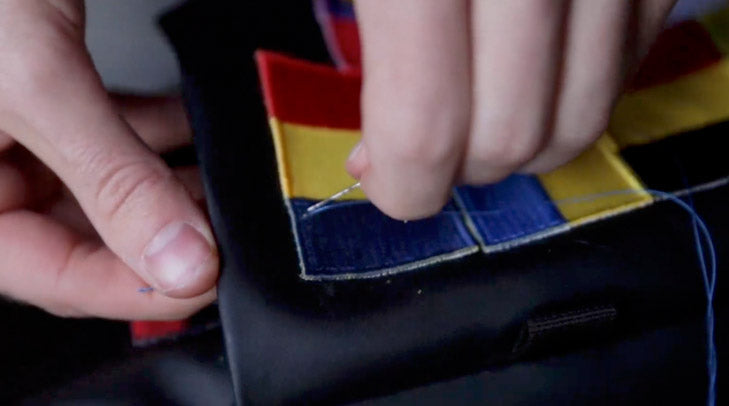
Zodra de stof is voorbereid, volgt de volgende stap: het borduren, de kunst van het versieren van de stof met ontwerpen gemaakt van garen. Dit proces vereist zowel vaardigheid als precisie. De garens, vaak van polyester of rayon, moeten levendig gekleurd zijn om de vlag van een land nauwkeurig weer te geven.
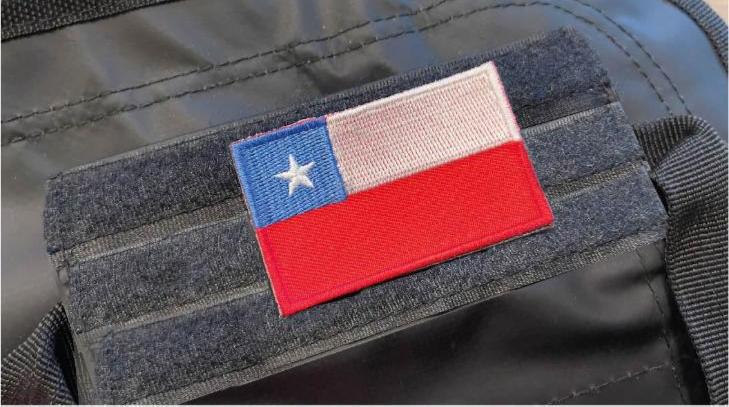
De vlaggenpatch van Algerije is een uitstekend voorbeeld van gedetailleerd borduurwerk, waarbij elke draad zorgvuldig is uitgelijnd om de ster en de halve maan van de Algerijnse vlag weer te geven. Ook de complexiteit van de vlaggenpatch van Chiliweerspiegelt zorgvuldig vakmanschap, waardoor elk detail helder en levendig wordt weergegeven.
Rug en afwerkingHet
laatste aspect van een vlaggenpatch is de rug, die voor stevigheid zorgt en het bevestigen vergemakkelijkt. Verschillende soorten ruggen, zoals zelfklevend of klittenband (Velcro), bieden veelzijdigheid bij het aanbrengen. Dit zorgt ervoor dat vlaggenpatches eenvoudig op allerlei oppervlakken kunnen worden aangebracht, van kleding tot bagage.
De afwerking maakt de vlaggenpatch nog mooier door ervoor te zorgen dat alle randen netjes zijn afgewerkt en niet rafelen, wat bijdraagt aan zowel de esthetiek als de levensduur van het product.
Conclusie
Vlaggenpatches zijn meer dan alleen decoratieve items; het zijn kleine maar betekenisvolle uitingen van nationale trots en identiteit. De zorgvuldige selectie van materialen, het nauwkeurige borduurwerk en de doordachte afwerking zijn allemaal essentieel voor het vervaardigen van een vlaggenpatch van hoge kwaliteit. Wanneer je een vlaggenembleem kiest, of het nu gaat om het embleem met de vlag van Guineeof een ander embleem, investeer je in een stuk dat het verhaal van een land in zich draagt.
Ontdek meer over vlaggenemblemen en verken de diversiteit aan nationale symbolen opbackpackflags.com.