
Problemas e soluções na adoção de emblemas de bandeiras

Os emblemas com bandeiras são, há muito tempo, uma forma popular de os viajantes e entusiastas expressarem a sua ligação a diferentes culturas e países. No entanto, o percurso desde a conceção de um emblema com bandeira até à sua adoção generalizada não está isento de desafios. Nesta publicação do blogue, exploraremos alguns problemas comuns no processo de design de emblemas com bandeiras e apresentaremos possíveis soluções, com exemplos retirados da Backpack Flags.
1. Equilibrar complexidade e simplicidade
O problema:
O design de um emblema com bandeira envolve traduzir um símbolo complexo de identidade nacional numa forma simplificada e adequada para uso. O desafio reside em manter os elementos-chave do design, garantindo ao mesmo tempo que o emblema é esteticamente agradável e reconhecível.
A solução:
É possível alcançar um equilíbrio entre complexidade e simplicidade concentrando-se nos elementos mais distintivos de uma bandeira. Por exemplo, o emblema com a bandeira da Alemanha capta eficazmente as riscas marcantes da bandeira alemã, tornando-o simultaneamente identificável e elegante.
2. Material e durabilidade
O problema:
Os emblemas com bandeiras têm de resistir a várias condições ambientais, quer sejam cosidos numa mochila ou numa peça de roupa. A escolha de materiais de má qualidade pode levar ao desbotamento ou a danos ao longo do tempo.
A solução:
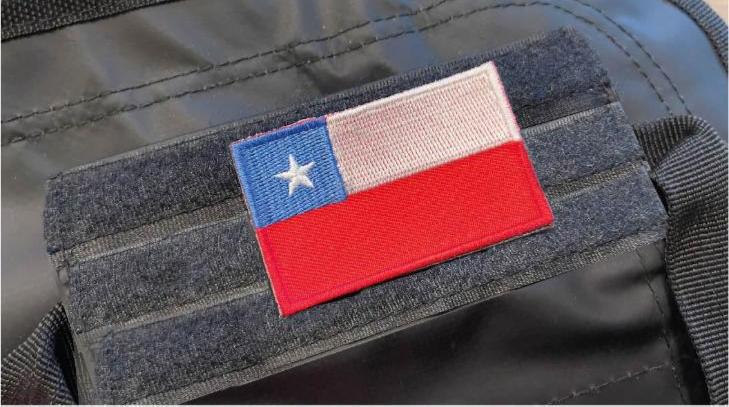
É crucial selecionar materiais robustos que possam resistir a diferentes condições meteorológicas. Opções como o autocolante de velcro com o emblema da bandeira proporcionam durabilidade extra, ao mesmo tempo que permitem uma fácil aplicação e reposicionamento, oferecendo uma solução prática para os viajantes.
3. Sensibilidade cultural
O problema:
Os emblemas com bandeiras representam identidades nacionais; por isso, devem ser concebidos tendo em conta a sensibilidade cultural. Uma interpretação errada ou uma representação incorreta pode causar ofensa e diminuir o apelo de um emblema com bandeira.
A solução:
uma pesquisa exaustiva e a colaboração com especialistas culturais podem mitigar esses riscos. Por exemplo, produtos como o emblema com a bandeira da Namíbia e o emblema com a bandeira de Mianmardemonstram uma atenção cuidadosa aos detalhes culturais, garantindo que honram os países que representam.
4. Manter a relevância e a diversidade
O problema:
As coleções de emblemas com bandeiras devem manter-se relevantes, oferecendo uma gama diversificada de designs para atrair um mercado global. Isto pode ser um desafio devido às mudanças no panorama geopolítico e nas tendências de interesse.
A solução:
Atualizar regularmente as coleções e incluir países menos representados pode ajudar a manter a diversidade. O emblema com a bandeira daGeórgiaé um exemplo de como abraçar a diversidade e oferecer opções que atendem a um público mais vasto.
Os emblemas com bandeiras são uma forma única de expressar a conexão global e as experiências pessoais. Ao abordar estes desafios comuns no seu design e adoção, empresas como a Backpack Flags garantem que oferecem produtos que ressoam com uma vasta gama de culturas e identidades. Explore a sua seleção diversificada naBackpack Flagse encontre um emblema que conte a sua história.